
Main Components of E-Cigarettes
- E-liquid (Vape Juice): At the heart of every e-cigarette is the e-liquid, often contained in a cartridge or tank. This liquid is responsible for generating the vapor that users inhale.
- Battery: E-cigarettes are powered by rechargeable lithium-ion batteries, which activate a heating coil to vaporize the liquid.
- Atomizer/Coil: This part heats the e-liquid, converting it to inhalable vapor.
- Mouthpiece: The mouthpiece provides a path for the vapor to reach the user’s mouth and lungs.
E-Liquid: What’s Inside?
When exploring what are in e cigarettes, the e-liquid’s ingredients are front and center. Unsurprisingly, e-liquids contain a handful of key substances, each contributing to the vaping experience:
- Propylene Glycol (PG): A colorless and odorless liquid, PG is used to produce a throat hit, similar to what smokers feel with traditional cigarettes. Approved by the FDA for use in foods and pharmaceuticals, it efficiently carries both flavor and nicotine.
- Vegetable Glycerin (VG): Known for generating thicker vapor clouds, VG is a sweet, viscous liquid derived from vegetable oils. It is also considered safe for consumption and imparts smoothness to the vapor.
- Flavorings: To enhance the vaping experience, a wide range of artificial and natural flavorings are added. These can include fruit, menthol, dessert, or tobacco flavors. The exact composition of flavorings can vary greatly between brands and flavors.
- Nicotine: The primary addictive substance in most e-liquids, nicotine can vary in concentration (from 0mg to over 50mg per milliliter). Notably, some e-liquids are ‘nicotine-free’ but most vapers opt for versions with some amount of nicotine.
How Do E-Cigarette Ingredients Affect You?
Understanding what are in e cigarettes isn’t complete without exploring how these ingredients interact with your body:
- Nicotinic impact: As a potent stimulant, nicotine increases heart rate and blood pressure and is highly addictive. Over time, it can lead to dependence, withdrawal symptoms, and can impact adolescent brain development.
- PG and VG: Propylene glycol and vegetable glycerin are generally recognized as safe when ingested; however, the health effects of long-term inhalation remain under investigation. Some users may experience throat irritation, cough, or allergic reactions.
- Flavorings: While generally safe to eat, flavor chemicals—when heated and inhaled—can potentially produce new compounds. For instance, some studies have raised concerns about the inhalation of diacetyl (linked to “popcorn lung”) found in some buttery flavors.
- Other byproducts: The heating process can sometimes generate small amounts of carcinogenic aldehydes, heavy metals (from the heating coil), and volatile organic compounds, especially at higher temperatures or with poor-quality devices.
Are There Harmful Chemicals in E-Cigarettes?
Despite the perception of vaping as a ‘clean’ alternative, scientific research suggests that e-cigarettes are not harmless. In addition to the primary e-liquid ingredients, tests have identified trace levels of substances such as formaldehyde, acetaldehyde, acrolein, and even heavy metals like nickel, tin, and lead in vapor—mainly stemming from device malfunction or poor quality. However, at typical usage levels, these are usually present at lower concentrations compared to combustible tobacco smoke. Regulation and trusted brands can help minimize exposure to these contaminants.

Why Do Ingredient Lists Differ?
The exact make-up of what are in e cigarettes can differ due to several factors:
- Brand variation: Each manufacturer has its own formulas and flavor combinations.
- Flavor profile: Some flavors may require more complex chemical additives.
- Nicotine method: Freebase nicotine and nicotine salts absorb differently, with salts often providing a more rapid, smooth hit.
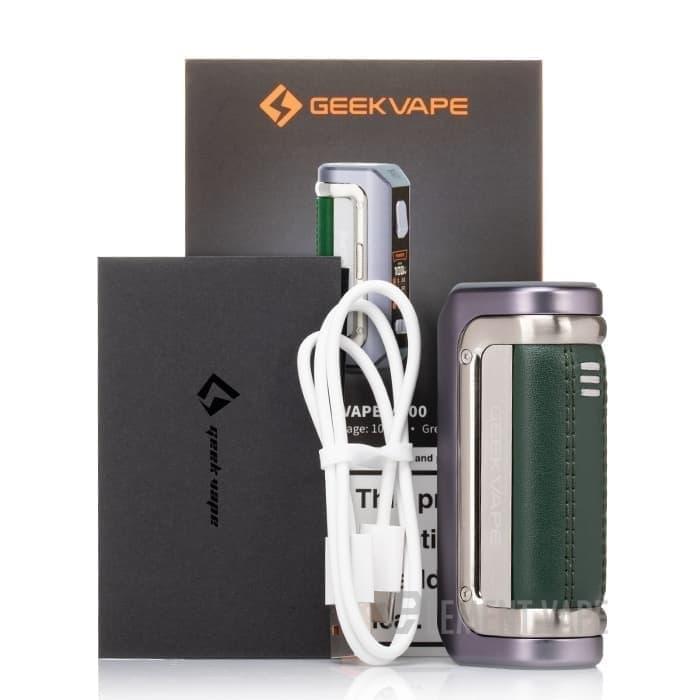

Choosing Safer E-Cigarettes
To limit risks:
- Buy only from reputable brands compliant with relevant health standards.
- Check for lab-tested products with ingredient transparency.
- Consider nicotine-free or low-nicotine e-liquids if you wish to avoid addiction.
Potential Health Concerns of E-Cigarettes
While e-cigarettes do not produce tar or carbon monoxide—the most harmful constituents of cigarette smoke—they are not risk-free. Respiratory irritation, cardiovascular stress, and possible lung injuries (such as EVALI related to vitamin E acetate-adulterated products) can occur, particularly with excessive, unsafe, or unregulated vaping. Vulnerable groups, including pregnant women, youth, and those with pre-existing conditions, should avoid vaping.
In short, answering the question what are in e cigarettes goes beyond just listing ingredients—it involves understanding how these substances interact with your body, the potential short- and long-term effects, and the critical role of responsible usage and product quality in minimizing risks.
Frequently Asked Questions
- Are e-cigarettes safer than traditional cigarettes?
- E-cigarettes typically expose users to fewer toxic chemicals than combustible cigarettes. However, they are not without risks, especially for non-smokers or youths, due to nicotine addiction and uncertain effects from inhaling vaporized chemicals.
- Can e-cigarettes help me quit smoking?
- Evidence suggests e-cigarettes may help some adults reduce or stop smoking, but they are not approved cessation aids in many countries. Consider consulting a healthcare professional for tailored advice.
- Is it safe to use flavored e-liquids?
- While flavorings are FDA-approved for food, inhaling heated flavor chemicals may carry unique risks. Avoid products from unreliable sources to limit exposure to unknown or harmful additives.