
Smart travel with vape gear: practical guidance for the modern traveler
Short answer to a frequent search
For many airlines and aviation authorities the short answer to do e cigarettes go in hand luggage is: yes — put your device and spare batteries in your cabin baggage. Most carriers prohibit storing devices powered by lithium batteries in checked or hold luggage because of fire risk. However, local rules, airline policies and destination laws vary, so this is a general guideline rather than a binding legal rule.
Why cabin carriage is recommended
Storing your vaping device in carry-on luggage reduces fire risk and helps prevent damage or accidental activation. If a device were to short-circuit in the hold, the consequences could be severe. Airport-screening staff can also inspect items from carry-on bags without having to open checked suitcases during transit, which makes security checks faster and reduces the chance of device confiscation.
Key aviation safety points at a glance
- Batteries: Lithium-ion cells and batteries should travel in the cabin; spare batteries must be insulated against short circuits.
- Devices: Most airlines expect the e-cigarette device itself to be carried in hand luggage, turned off, and ideally protected in a case.
- E-liquids: Nicotine and non-nicotine e-liquids are subject to the 100 ml (3.4 oz) liquids rule in many countries when in cabin luggage and must fit inside a transparent resealable bag.
- Usage: Vaping on board is prohibited by virtually all commercial flights.

Understanding the 100 ml liquids rule and how it applies
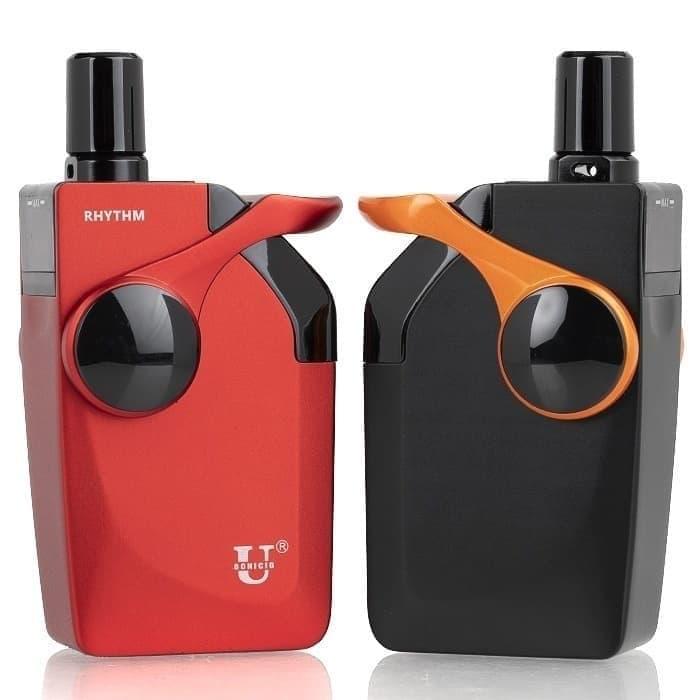
One of the main concerns when answering do e cigarettes go in hand luggage is how e-liquids are handled at security. If you’re carrying bottles or cartridges that contain more than 100 ml of liquid, these generally cannot be transported in cabin luggage under standard liquid restrictions enforced in many regions (for example, the EU, UK and US). The workaround is obvious and simple: decant into containers of 100 ml or less, or pack larger quantities in checked luggage — but be aware many airlines still discourage e-cigarettes and spare batteries in checked baggage. To combine safety and convenience, many vapers bring multiple small bottles or pre-filled cartridges to stay within rules and minimize leakage risk.
Battery safety and airline allowance
Packing checklist: how to prepare your vaping kit for travel
When organizing your kit, think in layers: protection, organization, regulatory compliance. A sample travel checklist that answers common aspects of do e cigarettes go in hand luggage includes:
- Device(s) powered down and preferably locked or with safety features enabled.
- Spare batteries in their original packaging or insulated battery cases.
- E-liquids in bottles of 100 ml or smaller if they are in cabin bags; place them in a clear resealable bag.
- Empty tanks/cartridges stowed separately to prevent leaks and accidental activation.
- Compact protective case to prevent drops and pressure on glass components.
- A printed copy or screenshot of your device specifications and battery watt-hour ratings if you carry high-capacity batteries (useful for airline checks).
Packing tips to prevent leakage and accidental activation
To minimize leaks and device mishaps, try these practical techniques: partially fill tanks to allow for pressure changes during descent, tighten drip tips and tank seals, place tanks in small plastic bags to contain possible leaks, and position devices upright within your carry-on. Consider removing tanks and storing them separately in a leak-proof pouch when flying long-haul or across multiple time zones to reduce the chance of expansion or pressure-related seepage.
Protecting batteries and devices

Short-term shocks or compressed luggage can damage your gear. Use a padded travel case designed for vape devices, ideally with compartments for batteries, tanks and chargers. Never store loose batteries in your pocket or with metal objects like keys and coins. Insulate spare batteries by taping over terminals or using designated plastic covers.
Navigating airline-specific rules
Different carriers have custom policies: some forbid certain high-capacity batteries, others require devices to be carried in cabin baggage only. There are also nuanced rules about how many spare batteries you can carry. Before travel, check your airline’s website and consult the specific section on electronic cigarettes and lithium batteries. If in doubt, call customer service; get written confirmation if you’re carrying unusual items to avoid last-minute gate issues.
International destination laws and customs considerations
The legality of nicotine e-liquids and vaping devices varies widely. Some countries have strict bans on nicotine-containing liquids, others limit sales and sales channels, and a few prohibit the importation of devices entirely. Examples to illustrate the variation (always verify before you travel): certain Asian countries have stringent regulations and some Middle Eastern and Pacific nations restrict the import of nicotine products. When planning, search for up-to-date rules at the official customs or health department websites of your destination. If you arrive with contraband items in a country with strict bans, you could face confiscation, fines or worse.
How to answer security screening questions with confidence
At security checkpoints, be organized and transparent. Keep your device and e-liquids easily accessible so you can present them if required. If asked, state plainly that you are carrying an electronic cigarette and e-liquids for personal use and that batteries are carried safely in a protective case. Presenting things professionally and neatly reduces scrutiny and speeds up inspections.
Traveling with unique vape kits: mods, squonkers and rebuildables
If you travel with custom or advanced devices like squonkers, regulated mods, mechanical mods or rebuildables, be extra cautious. Mechanical mods without safety circuits are more often viewed skeptically by security because they can be perceived as riskier. Many recommend traveling with regulated devices rather than mechanical ones, carrying comprehensive documentation on battery ratings, and ensuring rebuildable atomizers are empty and sealed.
Charging and in-flight use
Never attempt to charge an e-cigarette on a plane using the in-seat power outlet. Even if the aircraft has power, in-flight vaping is prohibited. If you need to charge between connections at an airport, use only official chargers and follow airport power station rules. Carry your own USB cable and smaller power bank (check airline limits) to keep devices charged while on the ground.
Practical packing templates for different trip types
Short business trip (carry-on only): pack one device in a padded case, spare battery in protective sleeve, two 100 ml or smaller bottles of e-liquid in a clear bag, and a small cleaning kit. Long vacation with checked bag: consider packing less battery capacity in checked luggage, keep all lithium batteries and devices in the cabin, and place larger volumes of e-liquid in checked luggage only if the destination allows them. International relocation: research import rules carefully, obtain written permissions if needed, and consider shipping prohibited items via authorized courier after confirming legality.
SEO-focused content reminder: keywords and user intent
SEO best practice means matching user intent and answering the specific question behind their search. Users who ask do e cigarettes go in hand luggage often want a concise verdict (generally yes for cabin), details about batteries and liquids, and clarity on legal constraints. Content that combines clear short answers with detailed, practical instructions, checklists and regional cautions ranks well and satisfies readers’ needs. Incorporate the e-smoke brand context or product-focused advice by giving packing suggestions tailored for popular form factors like pods, mods and disposable devices.
Quick travel-friendly packing routine
- Power down devices and isolate tanks.
- Place devices and spare batteries in a padded carry-on compartment.
- Store e-liquids in 100 ml or smaller bottles inside a clear bag for security.
- Carry documentation for high-capacity batteries and check airline approvals in advance.
- Keep devices accessible at security and never attempt to vape on the aircraft.
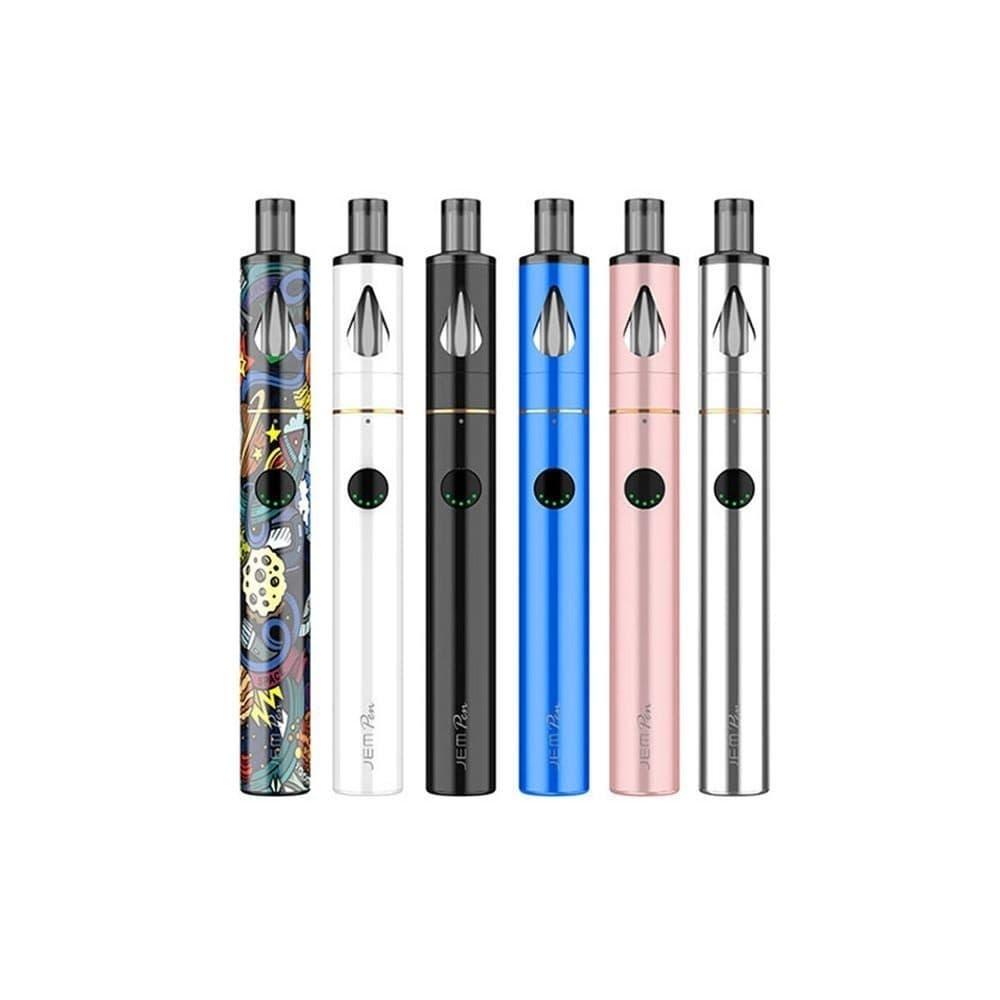
Legal caveats and best practice summary
Regulations change and local interpretations may differ. The responsible course is to: check airline rules, confirm destination laws, organize batteries and liquids according to safety rules, and ensure easy access to your vaping items during screening. When searchers look up do e cigarettes go in hand luggage, the most valuable advice is both practical (how to pack) and cautionary (what not to do) so they avoid confiscation, fines or safety incidents.
Final tips for stress-free vape travel
Invest in a compact travel case, use smaller bottles of e-liquid, protect batteries, and carry up-to-date documentation on battery ratings for higher-capacity power sources. Treat vaping equipment like fragile electronics and hazardous materials: make safety a habit, and plan ahead. If you represent or prefer e-smoke branded items, test your setup at home to ensure tanks and mods are secure before leaving for the airport.
FAQ
A1: Generally no — most airlines advise carrying devices with lithium batteries in cabin baggage to reduce fire risk. Check your airline’s policy before packing anything in checked luggage.
Q2: Are there limits to how many spare batteries I can bring?
A2: Many airlines allow multiple spare batteries but each must be individually protected and the total number may be limited; for high-capacity batteries (100–160 Wh) you usually need airline approval.
Q3: What if my destination bans e-liquids?
A3: If a destination prohibits nicotine liquids or devices, do not bring them. Research laws in advance and consider purchasing alternatives locally where legal or shipping items if permitted.