
Comprehensive analysis of vaping evaluations, chemicals of concern and cleaner options
This long-form guide synthesizes peer-reviewed research, public health reports and aggregated E-cigarette reviews to clarify what we know about potential harms, particularly the presence of e cigarette cancer causing chemicals, and to compare safer alternatives and harm-reduction pathways. If you are searching for balanced information about aerosols, device design, e-liquid constituents and how consumer-facing assessments align with laboratory findings, this resource compiles evidence-based points, practical takeaways and review-oriented methods that help lay readers and reviewers make informed judgments. Expect an explanation of study types, reproducibility issues, typical toxicants detected in aerosols and how product reviews can highlight risk-reduction features.
Why careful review methodology matters in E-cigarette reviews
Not all product reviews are created equal. High-quality E-cigarette reviews integrate laboratory testing results, analyze consistency across batches of e-liquids, measure emissions at varied power/temperature settings and verify label accuracy for nicotine and major constituents. Reviews that report only subjective experience (flavor, throat hit, battery life) without measuring chemistry can give a false impression of safety. Systematic reviews of scientific literature often flag the need for standardized aerosol generation protocols because measured levels of e cigarette cancer causing chemicals such as formaldehyde, acetaldehyde, acrolein and tobacco-specific nitrosamines (TSNAs) depend heavily on device power, coil type, e-liquid composition and puffing regime.
How scientists detect cancer-causing chemicals in vape aerosols
Analytical labs typically use gas chromatography-mass spectrometry (GC-MS), high-performance liquid chromatography (HPLC) and liquid chromatography–tandem mass spectrometry (LC-MS/MS) to quantify volatile organic compounds (VOCs), carbonyls, carbon monoxide, metals and nitrosamines. Many studies simulate human puffing behavior with standardized machines; others use more extreme conditions to measure maximum potential emissions. Both approaches are informative: realistic puffing provides exposure estimates for typical users, while stress testing identifies worst-case scenarios that might occur with misuse or faulty devices. Measured agents that have carcinogenic potential include but are not limited to formaldehyde, acetaldehyde, polycyclic aromatic hydrocarbons (PAHs) in rare cases, acrolein and certain nitrosamines. Metals such as nickel, chromium, lead and cadmium have been found in some aerosols and are associated with long-term health risks when inhaled.
Key toxicants highlighted across many E-cigarette reviews

- Carbonyl compounds: Formaldehyde and acetaldehyde can form when propylene glycol (PG) and vegetable glycerin (VG) decompose at high temperatures. These are classified as carcinogenic or potentially carcinogenic from inhalation studies.
- Acrolein: A respiratory irritant that can be formed from glycerol decomposition.
- Metals:
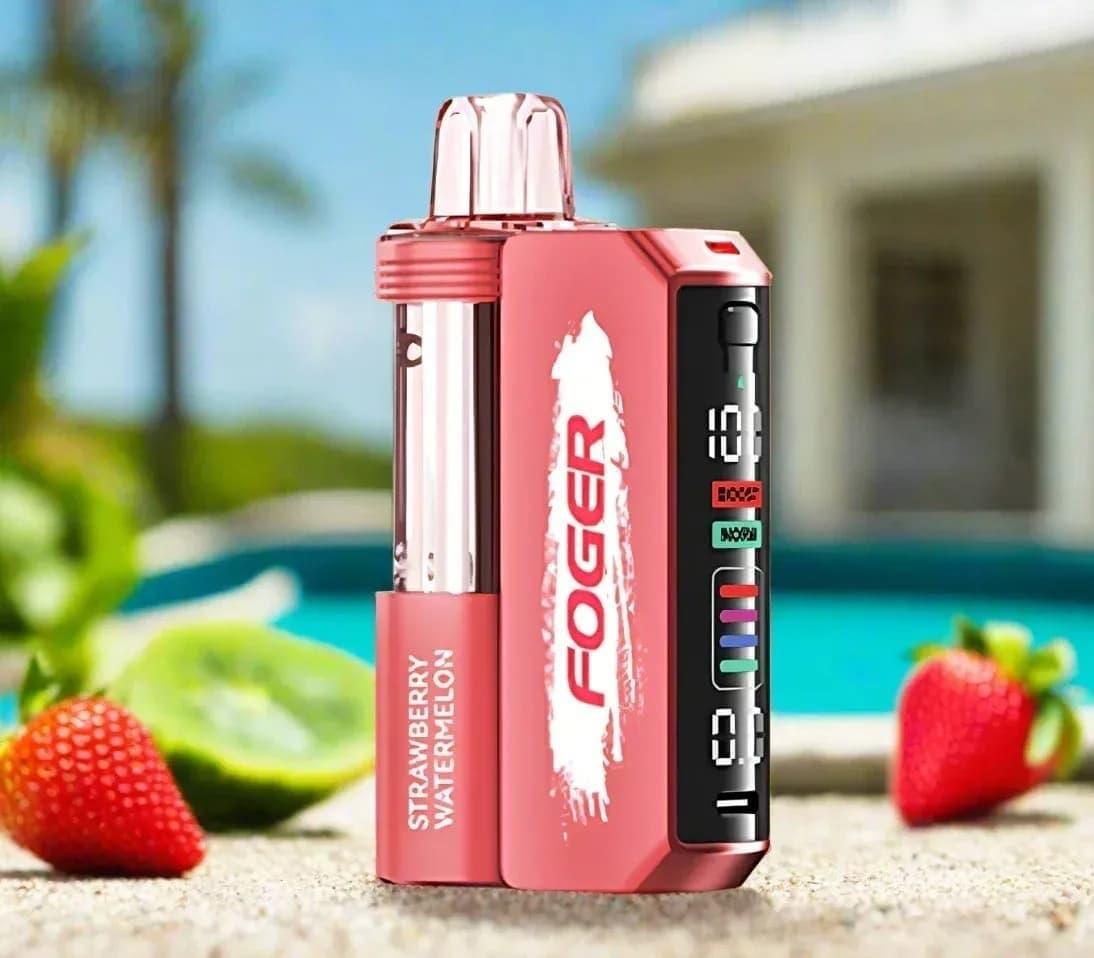 Evidence shows leaching from coils or solder joints can introduce metals into the aerosol.
 - Nitrosamines: Low levels of TSNAs are sometimes detected, often related to nicotine extraction sources.
- Flavoring chemicals: While many are generally recognized as safe (GRAS) for ingestion, inhalation risks differ: diacetyl, cinnamaldehyde and benzaldehyde have been called out in toxicological studies for causing airway irritation or damage in some contexts.
Interpreting exposure levels: absolute risk vs relative risk
Many E-cigarette reviews report concentrations of toxicants in micrograms per puff or micrograms per cubic meter. Translating these numbers into actual disease risk requires understanding of cumulative exposure over time, co-exposures (e.g., prior smoking), individual susceptibility and the difference between occasional elevated spikes vs sustained exposures. Public health bodies emphasize that while some chemicals found in aerosols are potentially carcinogenic, the overall chemical load and documented harms for adult exclusive vapers are generally lower than those from combustible cigarette smoke in most comparative studies. However, ‘lower risk’ is not ‘no risk’, and research continues to quantify long-term outcomes.
Factors that influence measured levels of e cigarette cancer causing chemicals
Device power and coil temperature: Sub-ohm devices running at very high wattages or poorly regulated temperature controls can heat e-liquids enough to generate more carbonyls. Coil composition: Nichrome, kanthal, stainless steel or coils with plated coatings each have different corrosion and oxidation behaviors that may affect metal emissions. Wick material: Fiberglass, silica, cotton and ceramic affect how e-liquid is delivered and whether dry puffs occur. E-liquid composition: Higher VG ratios, certain flavoring chemicals and contaminant levels in nicotine extract influence decomposition products. User behavior: Puff duration, intensity and frequency modulate heating patterns and aerosol chemistry. Therefore, robust reviews test products across realistic use patterns and elevated stress tests to present a range of possible outcomes.
How independent lab data improves review credibility
Credible product reviews include independent lab analyses for: nicotine content verification, free-base vs salt nicotine identification, levels of volatile carbonyls, presence and concentration of heavy metals and evaluation of microbial contaminants in refillable pods. A review that pairs sensory evaluation with quantitative lab results and transparent methods (sample size, replication, detection limits) offers readers a clearer understanding of E-cigarette reviews as both consumer guidance and public health intelligence.
Comparing e-cigarette emissions to cigarette smoke
Combustible cigarette smoke contains thousands of chemicals, many of them proven carcinogens. Comparative studies seeking to quantify relative toxicant reduction often find that emissions from e-cigarettes contain fewer and generally lower concentrations of many well-known carcinogens. However, some specific toxicants may still be present at levels warranting attention, especially under certain device conditions or with poorly controlled manufacturing quality. The message emerging from many literature reviews is nuanced: e-cigarettes may offer reduced exposure for adult smokers switching completely, but they are not risk-free and product variability creates important exceptions.
Product features that reviewers should highlight to reduce exposure
When producing or consuming E-cigarette reviews, focus on device safety features and manufacturing quality: regulated temperature control, reliable overheat protection, clear labeling of coil materials, batch testing for metals and contaminants, sealed and accurately labeled nicotine concentration in e-liquids and transparent sourcing of flavoring agents. Users concerned about e cigarette cancer causing chemicals can prioritize low-wattage devices, avoid high-temperature ‘dry-puff’ conditions, choose reputable manufacturers with third-party testing and prefer nicotine formulations that reduce need for frequent high-intensity puffing.
Safer alternatives and evidence-based cessation tools
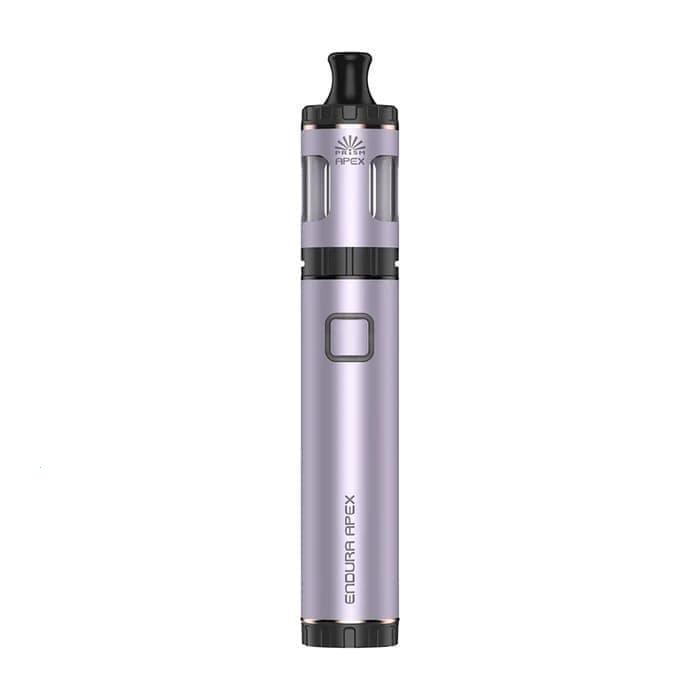
For people seeking to quit nicotine or reduce harm from smoking, a range of safer alternatives exist with strong evidence of effectiveness and lower toxicant exposure profiles than continued smoking. These include:
- Nicotine replacement therapy (NRT): patches, gums, lozenges and inhalers are regulated, have predictable dosing and no combustion-related toxicants.
- Prescription medications: Bupropion and varenicline have been shown in randomized controlled trials to increase quit rates.
- Behavioral support: Counseling combined with pharmacotherapy improves outcomes significantly.
- Medically supervised switching: For some adult smokers, transitioning to regulated vape products under clinical guidance reduces exposure to many carcinogens relative to smoking, but monitoring and clear intentions to quit are advised.
Regulatory frameworks vary globally: some countries support vaping as a harm reduction tool with strict product standards and advertising restrictions, while others ban or heavily restrict sales. Reviews that contextualize product performance within the applicable regulatory environment help readers assess which devices meet minimal safety expectations.
Common misunderstandings in public-facing E-cigarette reviews
- Misinterpreting the presence of a chemical as direct proof of cancer causation without dose-response context and long-term epidemiology.
- Assuming flavors labeled ‘natural’ or ‘food-grade’ are safe for inhalation; the respiratory tract has different sensitivities than the digestive system.
- Treating laboratory worst-case emissions as typical user exposures without clarifying scenarios that cause spikes (e.g., dry puffs or coil burnout).
- Overreliance on brand claims without independent verification of composition and emissions.
How to read and write high-quality product and science-aligned reviews
Reviewers and consumers should adopt a critical checklist: look for third-party lab reports, transparent device specifications, independent tests for carbonyls/metals/nitrosamines, and sensitivity analyses that show how use patterns change emissions. When writing reviews, cite study types (in vitro, in vivo, clinical, epidemiological), include detection limits for analytic methods, and avoid sensational language that overstates uncertainty or underplays potential harms associated with e cigarette cancer causing chemicals. Balanced reviews should contextualize measured concentrations relative to known occupational exposure limits or relative risks from smoking to help readers make practical decisions.
Emerging research areas and gaps reviewers should watch for
Longitudinal studies: Cohort studies tracking exclusive vapers for decades are still limited, so long-term cancer risk estimates carry uncertainty. Biomarkers of exposure and effect: Measuring metabolites of harmful constituents in urine, blood or exhaled breath can better map internal dose than measuring aerosol composition alone. Flavor toxicology: More inhalation toxicology work on common flavoring agents at typical vaping concentrations is needed. Real-world use patterns: Mixed-use (concurrent smoking and vaping) and youth initiation patterns complicate population-level effects and must be incorporated into assessments of public health impact.
Consumer tips informed by studies and quality reviews
To reduce potential exposure to e cigarette cancer causing chemicals, consider these actionable points: choose products with precise temperature control and reliable overheat protection; avoid excessively high power settings and prolonged chain vaping that can increase thermal decomposition; use e-liquids from reputable manufacturers with batch testing and transparent ingredient lists; replace coils and wicks per manufacturer guidance to minimize metal corrosion and residue buildup; and, if concerned about nicotine dependence, explore regulated NRTs and counseling as safer, evidence-based alternatives.
High-quality reviews act as bridges between laboratory science and consumer decision-making, translating complex chemical data into practical guidance without oversimplification or alarmism.
How reviews can communicate uncertainty without causing misinformation
Good reviews clearly separate established findings (e.g., detection of formaldehyde under high-temperature conditions) from emerging hypotheses (e.g., long-term cancer risk in exclusive vapers). They identify study limitations—small sample sizes, lack of longitudinal follow-up, and unstandardized methods—and recommend cautious, evidence-based actions instead of definitive claims when the data are incomplete.
Practical sample review template for evidence-focused evaluation
Below is a concise template reviewers can adopt to maintain scientific rigor and consumer utility: product description; device specs; testing methods (puff profile, lab methods, replication); measured toxicants (table of carbonyls, metals, nitrosamines with concentrations); sensory impressions; reproducibility across samples; safety features; independent lab certifications; summary verdict with risk-context (relative to smoking and to other nicotine products); and clear disclosure of conflicts of interest. This structure helps ensure multiple mentions of E-cigarette reviews are grounded in reproducible evidence and that discussion of e cigarette cancer causing chemicals is proportionate to actual measured exposures.
Case studies: lessons from device recalls and contamination events
Historical recalls and contamination incidents reveal recurring themes: poor manufacturing controls leading to heavy metal contamination, mislabeling of nicotine strength, and undisclosed solvents or synthetic contaminants. Reviews that track a brand’s quality control history and how it responds to independent testing provide actionable signals to consumers who want to avoid products with higher likelihood of containing e cigarette cancer causing chemicals.
Communication strategies for public health communicators
Public health messaging must balance two priorities: discourage youth uptake of aerosolized nicotine products while offering accurate information to adult smokers curious about harm reduction. Emphasizing product variability, recommending regulated cessation tools, and calling for stronger product standards are effective strategies. When describing findings from E-cigarette reviews, include clear takeaways: whether a device appears to reduce exposure relative to smoking, what steps lower exposure, and what unknowns remain for long-term outcomes.
Conclusion: synthesis for reviewers, consumers and clinicians
Rigorous E-cigarette reviews that integrate analytic chemistry, exposure science and pragmatic consumer testing provide the most useful guidance. The consistent detection of certain toxicants under specific conditions—summarized under the umbrella concern of e cigarette cancer causing chemicals—means consumers should adopt risk-reduction strategies, regulators should enforce manufacturing and testing standards, and clinicians should support evidence-based cessation options. For adult smokers seeking reduced exposure, switching to products with verified quality control while pursuing cessation remains a practical pathway; for non-smokers and youth, avoiding initiation is strongly recommended.
References and suggested readings
This guide synthesizes methods widely used in peer-reviewed aerosol chemistry, toxicology and public-health literature: analyses using GC-MS and LC-MS/MS, standardized puffing protocols, biomarker studies and real-world cohort data. Readers are encouraged to consult systematic reviews and governmental health agency updates that periodically revise exposure assessments and regulatory guidance linked to product safety.
Note: This resource is intended to inform and not to replace personalized medical advice. Individuals with health concerns or questions about nicotine cessation should consult licensed healthcare professionals for tailored recommendations.
Depending on your goals—harm reduction, quitting entirely, or understanding product variability—balance practical consumer-oriented E-cigarette reviews with authoritative studies on e cigarette cancer causing chemicals to make the safest choice for your circumstances.
FAQ
- Are e-cigarettes proven to cause cancer?
- Current evidence shows that aerosols can contain chemicals known to be carcinogenic in certain contexts; however, the overall measured concentrations in many vaping conditions are lower than levels found in combustible cigarette smoke. Long-term cancer risk for exclusive vapers remains incompletely quantified because longitudinal data are still emerging.
- Can product choice reduce exposure to cancer-causing chemicals?
- Yes. Choosing devices with temperature control, avoiding high-wattage settings, using reputable e-liquids with transparent sourcing and replacing coils/wicks regularly can reduce the likelihood of generating higher levels of carbonyls and other decomposition products.
- Are there safer alternatives to vaping?
- Regulated nicotine replacement therapies (patches, gum, lozenges) and prescription medications are proven, lower-risk options for quitting nicotine entirely. For harm reduction, medically supervised switching to quality-controlled products can reduce exposure compared to continued smoking, but the aim should ideally be eventual cessation.