
Practical buying tips for modern adult vapers and an honest breakdown of ongoing expenses
Navigating the evolving landscape of personal vaporizers requires more than impulse purchases; it benefits from a structured approach that balances upfront convenience, recurrent charges, health considerations, and environmental impact. This comprehensive guide examines common choices, highlights the real cost of e cigarettes, and explores why many users choose disposable vapes as an initial option while also offering alternatives and long-term financial calculations. Whether you’re a price-conscious switcher or a seasoned user seeking to optimize budget and satisfaction, these insights will help you make smarter buying decisions.
Why some people prefer disposable formats
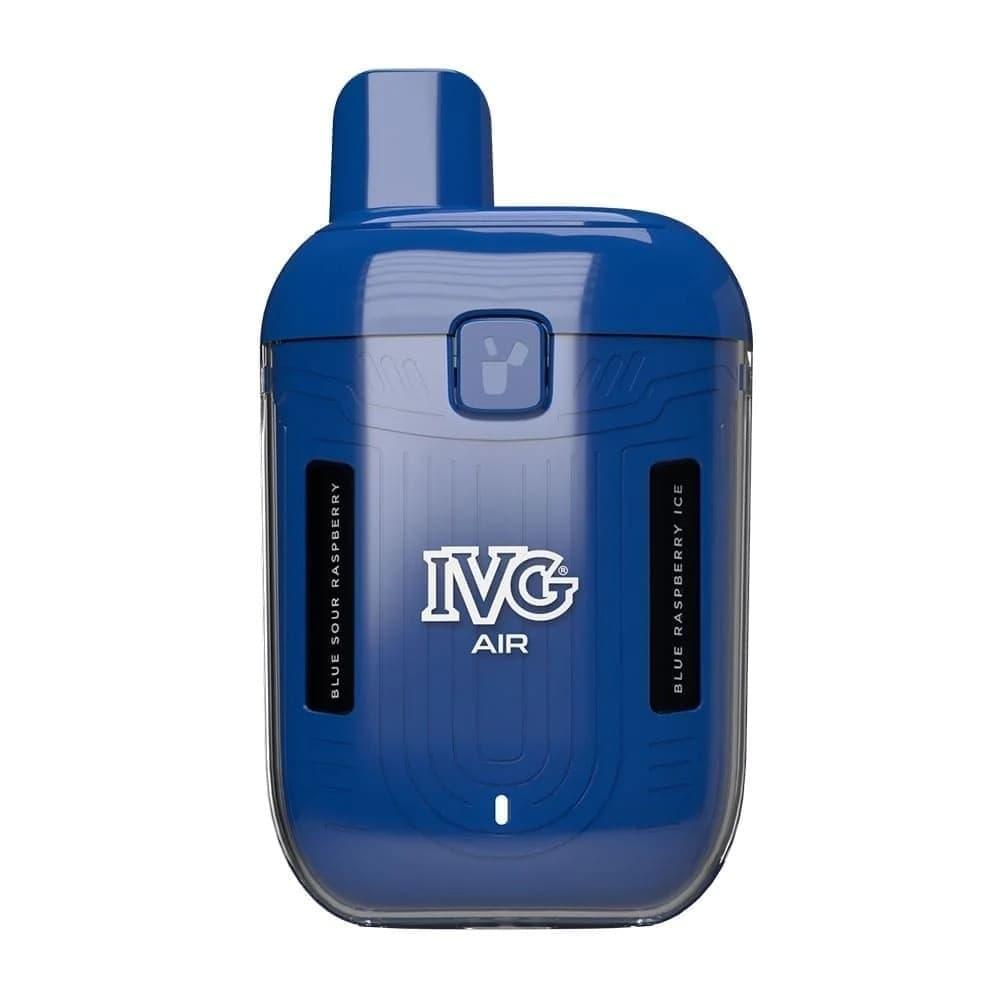
There are clear reasons consumers gravitate toward single-use devices. Convenience, minimal maintenance, no need to buy coils or e-liquid, and a low barrier to entry are primary drivers. However, the perceived low price of disposable vapes can be deceptive once you factor in frequency of replacement, flavor consistency, nicotine delivery, and waste management. To make an informed choice, compare the purchase pattern and cumulative expense of disposables to rechargeable, refillable systems.
One-time cost vs ongoing expense: the hidden math
The upfront sticker price is only the beginning. Evaluate ongoing costs by estimating how many disposables you’d use over a typical period, such as one month or one year. For many users, the cost of e cigarettes over 12 months can be higher with disposables despite lower single-unit prices. Consider variables: puff count per device, nicotine strength, local taxes, and availability of promotions.
Scenario analysis: if a disposable with 600 puffs costs $8 and you consume the equivalent of 1,800 puffs monthly, that’s roughly $24 per month or $288 per year. In contrast, a rechargeable kit that costs $40 plus $10 monthly for e-liquid yields a very different yearly figure—compare these options side by side to assess long-term value.
Breakdown of recurring costs
- For disposables: unit price multiplied by consumption frequency, plus potential recycling fees or special disposal needs.
- For refillables: device amortization (divide device cost by expected lifespan), e-liquid cost (milliliters used per week), coil replacements, batteries or chargers, occasional accessories.
- Taxes and regulations: local excise taxes on nicotine products can heavily affect final prices; always account for state and municipal variations in the cost of e cigarettes.
Value metrics you should track
- Cost per 100 puffs: a simple normalization that helps you compare devices.
- Nicotine delivered per dollar: if your goal is nicotine replacement, calculate mg per dollar.
- Environmental cost: factor in how much waste your habit produces and potential recycling options.
These metrics help translate confusing product jargon into tangible comparisons and improve purchasing discipline.
Buying guide: what to look for when choosing devices
Focus on fit-for-purpose features: nicotine strength, battery reliability, flavor fidelity, draw resistance (MTL vs DTL), and device reputation. If your priority is minimizing the cost of e cigarettes, consider refillable systems with high-capacity tanks and economical e-liquid brands. If convenience and travel-friendly profiles matter more, disposable vapes may be justified despite a higher per-puff cost.
Checklist before purchase
- Read independent reviews and test reports.
- Confirm nicotine concentration and puff estimates are realistic.
- Check local laws regarding flavors and sales; some jurisdictions restrict or tax flavored products, which affects total cost.
- Buy from reputable retailers to avoid counterfeit products that misreport puff counts and nicotine strength.

How to calculate the real cost: a step-by-step example
Step 1: Track your consumption for two weeks and extrapolate monthly usage in puffs. Step 2: Price-check several products: disposables, pod kits, and refillable mods. Step 3: Convert prices into cost per 100 puffs. Step 4: Add device amortization for rechargeable kits (device price divided by realistic lifespan in months). Step 5: Factor in taxes and shipping. Step 6: Add an environmental cost factor, such as a small premium for proper recycling or a disposal service. Putting these together gives a practical estimate of the cost of e cigarettes tailored to your habits.
Example calculation
If you puff 1,500 times per month:
– Disposable option: 3 devices at $10 each per month = $30/mo.
– Pod starter kit: $40 device, pods $6 each with 300 puffs = 5 pods = $30 + amortized device ($40/12 = $3.33) ~ $33.33/mo.
– Refillable device: $60 device, e-liquid $10 per 30 ml (approx. 3-4 weeks), coil $4/month = $10 + $4 + amortization ($60/24 = $2.50) ~ $16.50/mo.
This simplified example shows refillables can be significantly cheaper long-term, reducing the apparent advantage of disposable vapes for many users.
Health and safety considerations that affect cost
Quality matters. Poorly manufactured disposables or black-market e-liquids may pose health risks and unpredictable nicotine delivery, leading to increased consumption and thus higher overall cost. Investing in regulated products from established manufacturers reduces the risk of defective batteries, inconsistent nicotine, and contaminants. Health-related costs can also include nicotine dependence management, so consider how product choice influences your nicotine intake trajectory.
Environmental and social cost implications
Disposable devices create significant plastic and electronic waste. If minimizing environmental impact is a priority, include a “waste premium” in your cost model or choose recyclable, refillable options. Many localities are beginning to propose or impose producer-responsibility rules, which could increase the cost of e cigarettes through added fees or regulatory compliance costs. Social perception and workplace policies can also influence access and convenience, indirectly affecting cost if you need specialized storage or carry solutions.
Smart purchase strategies to lower your overall expenditure
- Buy in volume when reputable retailers offer discounts on e-liquid or pods.
- Join manufacturer loyalty programs or subscribe-and-save plans for regular e-liquid deliveries.
- Use refillable systems with bulk e-liquid purchases to achieve economies of scale.
- Maintain equipment to extend coil and battery life; simple practices like cleaning contacts and avoiding full-depletion battery cycles help.
- Consider nicotine salts for efficient delivery at lower liquid consumption if appropriate for your needs.
Retail channels and where to find the best deals
Authorized online stores, local vape shops, and supermarket chains each have pros and cons. Online stores often offer competitive pricing and a wider selection but add shipping and delay. Local shops provide immediate support and troubleshooting, which can save money on replacement devices by extending lifespan. Verify promotions but be cautious of extremely cheap offers that might indicate counterfeit or non-compliant products that could cost you more in the long run.
Regulatory trends and future price pressure
Keep an eye on legislation: flavor bans, higher excise taxes, and tighter manufacturing standards can all increase the cost of e cigarettes over time. Conversely, market competition and economies of scale could lower unit prices, but environmental fees and health-focused regulations are more likely to raise costs. Planning for a range of scenarios helps maintain a consistent budget despite regulatory volatility.
When disposables make sense
Disposables can be the right choice in specific circumstances: travel when carrying liquids or spare batteries is inconvenient, short-term quitting experiments, or trying various flavors without commitment. If your usage is occasional, the cumulative cost difference may be negligible, and the convenience premium could be justified. Still, use calculated comparisons rather than impulse buying: multiply expected monthly consumption by unit price and compare to alternatives.
Alternatives to consider
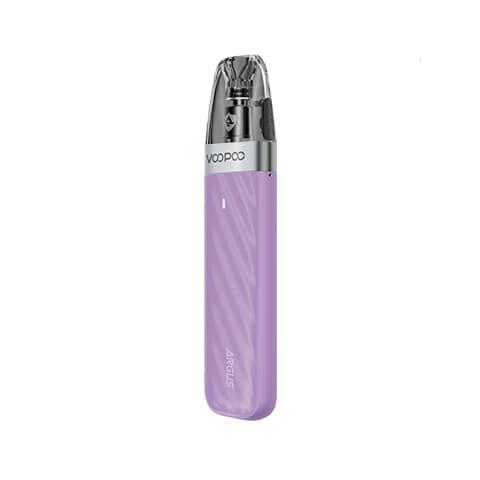
- Pod systems: Middle ground between disposables and advanced kits, often with replaceable pods and modest costs.
- Refillable pod/mod combos: Lower cost of e cigarettes over time for regular users.
- Tobacco cessation aids: If reducing nicotine dependence is the goal, factor in the potential to eliminate vaping-related costs altogether with proper support.
Common myths and facts
Myth: disposables always save money. Fact: they often cost more per puff than refillables for regular users. Myth: all e-cigarettes are equivalent. Fact: materials, blend, nicotine delivery, and device engineering vary widely and affect satisfaction, consumption, and total cost. Myth: cheaper e-liquids are just as good. Fact: poor-quality e-liquids may lead to higher consumption or device issues that increase expense.
Making the switch or optimizing current choices
To reduce the cost of e cigarettes, audit your consumption, choose an appropriate device class, and commit to maintenance. If you’re using disposable vapes for convenience, try a hybrid approach: use a refillable option at home and keep a disposable for emergencies or travel. Over time, small monthly savings compound into substantial annual reductions.
Security, authenticity, and safety checks
Always verify product authenticity with manufacturer QR codes or serial numbers, and avoid extremely discounted kiosks selling unknown brands. Battery safety is crucial—do not attempt to recharge non-rechargeable disposables. Proper handling and disposal mitigate fire risks and environmental harm.
Practical tips to stretch value
- Avoid chain vaping to prevent coil burn-out and excess e-liquid consumption.
- Store e-liquid away from heat to retain flavor and reduce waste.
- Use vendors with clear return policies and warranty support for hardware purchases.
Summary: balancing convenience with cost
For many adults, careful planning and product selection can reduce the cost of e cigarettes substantially without sacrificing satisfaction. Disposable vapes offer ease of use and momentary appeal, but a thoughtful analysis often shows refillable systems to be more economical over time. Use the cost-per-puff and nicotine-per-dollar metrics, check local taxes and regulations, and include environmental considerations to arrive at a choice that aligns with your priorities.
Decision flow to help you choose
- Are you an occasional user? Consider quality disposable vapes for convenience.
- Are you a daily user looking to save? Evaluate refillable kits and bulk e-liquid purchases.
- Is reducing nicotine the goal? Explore cessation support and lower-strength products with a plan to taper.
Further resources and reading
Consult trusted industry review sites, local regulatory notices, and manufacturer guidelines. Professional medical advice is recommended if you have health concerns related to nicotine use.
Frequently Asked Questions
Q: How much can I realistically save by switching from disposables to a refillable kit?
A: Most regular users can save 30-60% annually by switching to a refillable device and buying e-liquid in bulk, depending on brand choices, nicotine concentration, and frequency of use. Use a cost-per-100-puffs comparison to estimate your personal savings.
Q: Are disposables more harmful or less safe than refillables?
A: Safety depends on manufacturing standards. Refillable devices from reputable brands are often safer and subject to stricter quality control. Disposables from unknown vendors may contain inconsistent or mislabeled nicotine levels, so choose trusted sources.
Q: How do taxes affect the cost?
A: Taxes vary widely and can add significantly to the cost of e cigarettes. Some areas tax per unit, per ml of liquid, or as part of tobacco-equivalent levies. Check local laws to include these in your budget.