Understanding e-Cigarette Devices: Modern Alternatives to Traditional Smoking
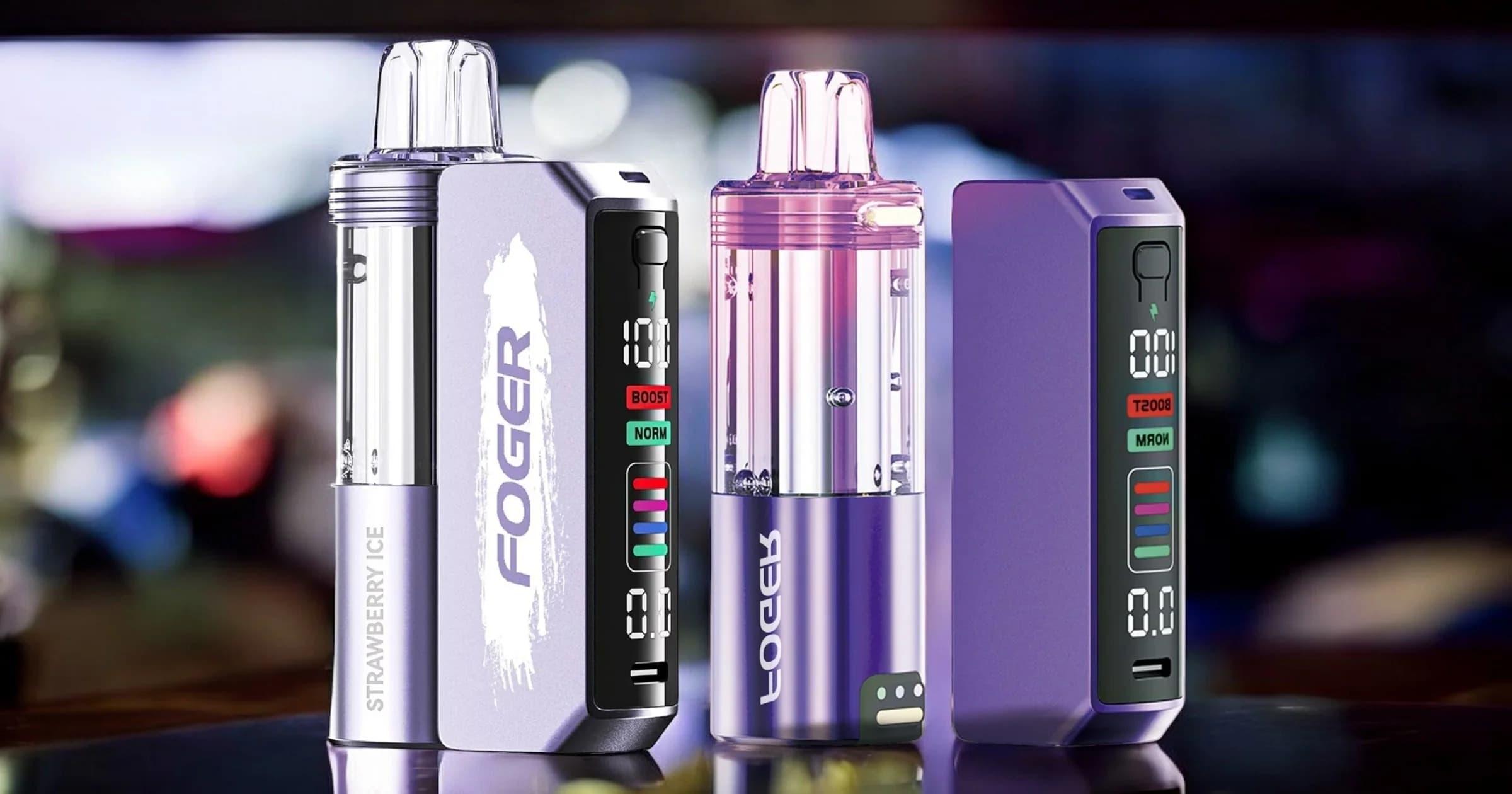
Evolving rapidly over the past decade, e-Cigarette technology has carved a substantial niche in the landscape of nicotine consumption. Before diving into their regulatory status or health impacts, it’s crucial to grasp what an e-Cigarette is. An e-Cigarette—often referred to as a vape or electronic nicotine delivery system (ENDS)—is a device that heats e-liquid, containing nicotine (optional), flavorings, and other chemicals, to produce an aerosol inhaled by the user. These devices come in various shapes and sizes, including cigalikes, vape pens, mods, and pod systems.
Distinguishing between a conventional tobacco cigarette and an e-Cigarette is an essential part of this guide. Unlike burning tobacco leaves, which releases smoke along with thousands of chemicals, e-Cigarettes employ heating elements to vaporize liquid solutions, generally believed to produce fewer toxic compounds than their combustible counterparts.
Are e-Cigarettes Tobacco Products? Decoding the Classification
If you’ve wondered, “are e cigarettes tobacco products?,” you’re not alone. Regulatory bodies worldwide have grappled with how to classify these products. In many jurisdictions—including the United States—the FDA recognizes e-Cigarette devices and their nicotine solutions as tobacco products, regardless of their lack of actual tobacco plant content. This decision stems from e-liquids’ nicotine, which is typically derived from tobacco plants.
In the European Union, e-Cigarettes are regulated under the Tobacco Products Directive, reinforcing the perceived link between e-Cigarettes and tobacco commodities. However, it’s important to note that the definition can vary: some regions only classify them as tobacco products when the e-liquid contains nicotine extracted from tobacco. In markets selling nicotine-free vaping products, debates continue over their inclusion among tobacco products.
The classification matters for both regulatory policy and public perception. Products designated as tobacco frequently face stricter advertising, labeling, age restrictions, and taxation, which directly impact access and consumer choice.
Benefits of e-Cigarettes: What Do Users and Research Say?
The discussion surrounding the benefits of e-Cigarette use is as lively as debates about their risks. Proponents highlight several key advantages compared to traditional cigarettes:
- Reduced Exposure to Harmful Chemicals: Research suggests that switching from combustible cigarettes to e-Cigarette products may significantly decrease exposure to dangerous chemicals. Since vaping does not involve burning tobacco, the formation of carcinogens like tar and carbon monoxide is greatly reduced.
- Potential Aid in Smoking Cessation: For adults seeking to quit smoking, e-Cigarette
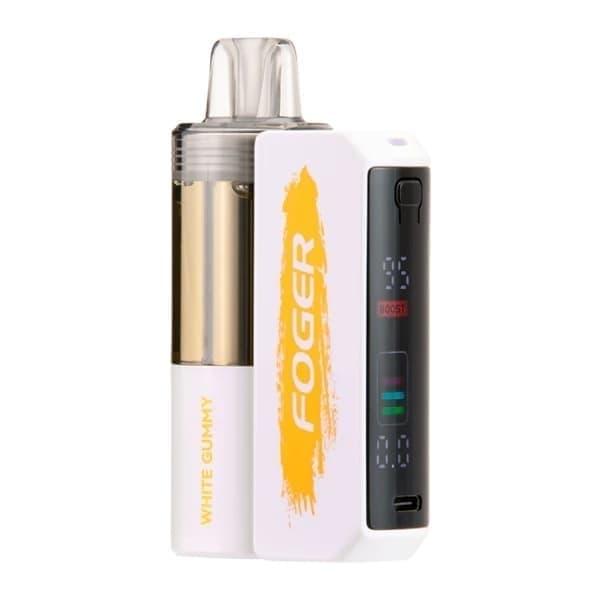 devices have emerged as useful cessation aids. Some clinical trials have indicated higher quit rates with e-Cigarettes when compared to nicotine patches or gum, especially when users combine vaping with behavioral support.
 - Better Social Acceptance: Unlike traditional cigarettes, e-Cigarettes produce vapor rather than smoke, emitting less noticeable odor and residue. This makes vaping less intrusive and more socially acceptable in various settings.
- Customization and Flavor Experience: A broad spectrum of flavors and device options offer users tailored experiences that can make the transition away from smoking more enjoyable and sustainable for some.
Exploring the Risks and Controversies of e-Cigarette Use
No assessment is complete without considering safety concerns and controversies tied to e-Cigarette use. While they generally contain fewer toxicants than combusted tobacco, e-liquids are not free of harmful substances. Some ingredients, like propylene glycol, vegetable glycerin, and flavorings, may irritate the lungs or cause long-term health effects when vaporized.
Moreover, the popularity of vaping among teens and young adults has sparked worries about gateway effects and addiction. Since many e-Cigarette products contain nicotine, which is highly addictive, regulators have instituted age limits, marketing restrictions, and public health campaigns targeting youth exposure.
The Regulatory Landscape of e-Cigarettes: Global Comparison
Classification as a tobacco product influences how authorities regulate e-Cigarette consumption. For instance, the United States’ FDA stipulates mandatory warning labels, bans on sales to minors, and stringent testing for products labeled under the tobacco category. In Australia, e-Cigarette products containing nicotine are mostly banned except by prescription.
Meanwhile, some Asian countries have outlawed vaping altogether. In contrast, the UK views e-Cigarette devices as potentially beneficial for public health, incorporating them into cessation programs while maintaining tight advertising controls. Such regulatory nuances reveal ongoing debates over how best to balance reduced harm with the prevention of new nicotine addictions.
Comparing e-Cigarettes to Traditional Smoking: Key Differences and Considerations
Are e cigarettes tobacco products in the same sense as burning cigarettes? Scientifically, while both deliver nicotine, the mechanisms vary sharply. Traditional cigarette smoke has over 7,000 chemicals, dozens of which are known carcinogens. e-Cigarette vapor primarily contains nicotine, flavoring components, and a handful of other molecules.
Users often report improved sense of smell, better breathing, and fewer coughing episodes after switching from traditional cigarettes to e-Cigarette products. However, experts urge caution: vaping is not risk-free, and long-term consequences remain understudied. For non-smokers, initiating e-Cigarette use is strongly discouraged.
How Are e-Cigarettes Used? Patterns, Preferences, and Popularity
Vaping usage patterns vary greatly. Some users prefer open-system mods, allowing customizations in temperature and wattage, while others opt for disposable pod-based e-Cigarette units offering convenience and portability. The variety of available flavors, nicotine strengths, and device designs have boosted e-Cigarette popularity globally.
Demographically, young adults, former smokers, and those concerned about second-hand smoke gravitate towards vaping. Surveys indicate that curiosity, perceived reduced harm, and flavor experimentation are leading reasons for adoption.
Public Health Perspectives on e-Cigarette Regulation and Acceptance
Public health bodies remain split on e-Cigarette promotion. Advocates argue that the shift from combustion to vaporization offers population-level advantages, especially for smokers unable or unwilling to quit nicotine entirely. Detractors caution that aggressive marketing and flavor availability may encourage youth uptake or dual use with combustible tobacco.
To address these issues, frameworks such as taxation, flavor bans, and restricted advertising are applied to e-Cigarette products, mostly when classified as tobacco. Scientific research continues to map the long-term health impacts, exploring potential cardiovascular, pulmonary, and neurological risks associated with vaping.
The Future of e-Cigarettes: Trends, Innovations, and Consumer Advocacy
As technology advances, so does the complexity and functionality of e-Cigarette devices. Emerging designs include temperature control coils, improved battery safety, and next-generation refill systems. Increasingly, companies explore synthetic nicotine sources, challenging the traditional regulatory link with tobacco.
Consumer advocacy groups play a pivotal role, lobbying for access to safer nicotine products and transparent labeling. Meanwhile, governments and health experts weigh evidence to inform future classification and policymaking, especially surrounding the question:
How to Choose the Right e-Cigarette: Buying Tips and Best Practices
When selecting an e-Cigarette, consider several criteria: nicotine content, device reliability, battery life, safety features, and ingredient transparency. Reputable manufacturers frequently submit their products for governmental review, and many display lab test results to assure quality.
For those transitioning from smoking, starting with moderate nicotine strengths and gradually tapering off can be an effective quitting tactic. Always purchase from trusted vendors to avoid counterfeit devices or contaminated e-liquids.
Final Thoughts: Balancing Risks and Benefits in the e-Cigarette Debate
e-Cigarette products occupy a unique intersection between tobacco control and harm reduction. Are e cigarettes tobacco products? For policy makers, the answer dictates regulatory rigor and public messaging, while for consumers, it shapes personal choices and risk assessment. As science evolves and global viewpoints shift, users should seek up-to-date information and consult health professionals when considering vaping.
Whether used as a potential tool for quitting or as a lifestyle alternative, e-Cigarette products deserve nuanced consideration and responsible usage.
Frequently Asked Questions (FAQ) About e-Cigarettes

- Are e-Cigarettes considered tobacco products worldwide?
- In many regions, including the US and EU, e-Cigarettes are regulated as tobacco products due to their nicotine content, though definitions vary globally, especially for nicotine-free devices.
- Is vaping with e-Cigarettes safer than smoking cigarettes?

- Current research indicates that e-Cigarettes contain fewer harmful chemicals than traditional tobacco smoke, but they are not risk-free and long-term health impacts are still being studied.
- Do e-Cigarette devices help with quitting smoking?
- Some studies suggest that e-Cigarettes may help smokers quit, particularly when used as part of a structured cessation program. Effectiveness varies among individuals.